


Letterboxd
3.31.85K Reviews
App Specs
- Version
- 3.5.6
- Updated On
- License
- Free
- Downloads
- 10,000,000+
- Developer
- Letterboxd Limited
- Categories
- Social
- Platform
- Android, iOS
Screenshots
 Analysis by AppCompare
For me, the key question with a film app is whether I want a place to keep my own viewing notes or a place to find something to watch. Letterboxd is strongest when those two habits feed each other: I record what I’ve seen, then use other people’s activity and lists to decide what deserves my next evening. It is a social app for film fans, made by Letterboxd Limited, and its appeal depends less on watching movies inside the app than on building a record around the films I watch elsewhere.
Choose it for a film diary, not a streaming catalogue
If you mainly want to press play, manage subscriptions, or see which service has a particular title, this is not the tool I would reach for first. Its center of gravity is the conversation and recordkeeping around films: logging a viewing, adding a rating or review, collecting titles in lists, and following people whose taste interests me. That distinction matters. The app can help me choose a film, but it is not a replacement for a streaming service or a general-purpose entertainment guide.
I find the diary approach useful even when I do not write a full review. A quick log and rating can be enough to remember whether I have already watched a film, what I thought at the time, and which titles I meant to revisit. If I do write more, the entry becomes a small personal note rather than something I have to publish as a polished essay. That makes the habit easy to scale from occasional movie nights to a more deliberate viewing project.
Where the social side makes a difference
The feed is most valuable when I treat it as a circle of trusted recommendations, not an endless stream I need to keep up with. Following a few friends or reviewers whose taste overlaps with mine can turn their logs and lists into a practical shortlist. A friend’s enthusiastic note about an older film may be more useful to me than a broad popularity signal, especially when I want something outside the latest releases.
Lists also reward a little intention. I might make one for films suggested by friends, another for a director I want to explore, and a third for a particular mood. The useful trick is to keep lists tied to a real decision: a list that helps me pick a film tonight is easier to use than a sprawling collection of every title that has caught my eye. Challenges and community lists can give me a starting point, but I still prefer to filter them through my own interests rather than treat them as homework.
There is a genuine discovery benefit here, but recommendations are only as helpful as the context I give them. My viewing history can point toward films that fit my tastes, while reviews and lists reveal why other people care about a title. I would use those signals to build a watchlist, then make the final choice based on my time and mood. The app is better at helping me notice possibilities than guaranteeing that every suggestion will land.
What to expect from the free experience
The app is free to download, and its core diary and social uses make sense without paying. Optional in-app purchases run from $0.99 to $48.99 per item, so I would start with the free experience and only consider spending if a particular extra would improve a habit I already have. Paid options include more detailed viewing statistics and advanced filtering, which are most appealing to people who enjoy looking back over their film history or sorting a large collection of saved titles.
Worth Reading Before You Choose

EA SPORTS FC Mobile 26 Is a Bigger Football Game, but It Takes Time

Flipboard Shows What News Apps Must Do Beyond the Feed

Switching to Android Auto Means Rethinking Your Driving Routine

Google Calendar Makes a Crowded Week Easier to Manage

Ludo King Makes the Most of the Minutes Between Plans

Baby Panda World Brings Quick Play to Modern Phones, but Its Game Library Feels Busy
There is a useful trade-off in that choice. If I only log a few films now and then, detailed stats may be a curiosity rather than a lasting benefit. If I regularly record what I watch and like to compare patterns across my diary, those extras could make the archive more satisfying to explore. Either way, I would not pay simply because I expect a better set of film recommendations; the everyday value comes first from the logging, lists, and people I choose to follow.
Fit, friction, and the alternatives
Letterboxd has an average rating of 3.1 from around 32,000 ratings, alongside roughly 1,800 written reviews, so it is worth approaching with realistic expectations rather than assuming every interaction will feel seamless. I have found that large lists and profiles can sometimes take a while to load. That is a particular annoyance when I am browsing casually and want an immediate answer, though it matters less when I am recording a film or exploring at a slower pace.
It has reached over 10 million installs, and its Teen age rating makes it a broadly approachable social space for older children and adults, though I would still expect the tone and opinions to vary because users create much of what I see. The current version is 3.5.2, and the app first appeared on August 29, 2017. It supports operating systems from version 9 onward. Those details make it easier to judge whether it suits your device and expectations, but the more important question is still whether you want a film-focused social diary.
Compared with a general social network, the advantage is focus: film logs, ratings, reviews, and lists give conversations a shared subject. Compared with a notes app or spreadsheet, it offers a social layer and discovery through other film fans, while a private tracker may suit someone who wants no public-facing activity at all. And compared with movie databases or streaming search tools, it is more about personal taste and community than availability or playback. I would choose based on the job I need done rather than expecting one app to cover all of them.
A realistic way to make it part of your routine
Imagine I have a free evening and cannot remember whether I have already seen a film a friend recommended. I can check my diary, read the note I left, and then look at that friend’s list for related ideas. If I decide to watch something new, I can log it afterward while the details and my reaction are fresh. The next time a similar mood comes around, that small record saves me from relying on memory or scrolling through a long chat thread.
For a more useful setup, I would follow people with different but complementary tastes rather than dozens of accounts that all recommend the same kind of cinema. I would also give lists clear names and purposes, and use a short note when a rating alone will not remind me why I liked or disliked a film. These modest habits make the app feel more like a personal reference shelf and less like another feed demanding attention. They are especially helpful if you watch films irregularly and want to pick up the thread after a busy stretch.
One practical question is whether I need to write reviews to get value from it. I do not think so: logging and rating can support a useful diary, while longer writing is there for people who enjoy expressing an opinion and reading responses. Another is whether it works for someone who mostly watches popular new releases. It can, but its strongest discovery angle comes from engaging with other users’ logs and lists, so someone who only needs a release calendar or a quick synopsis may find a simpler reference tool more direct.
What is Letterboxd?
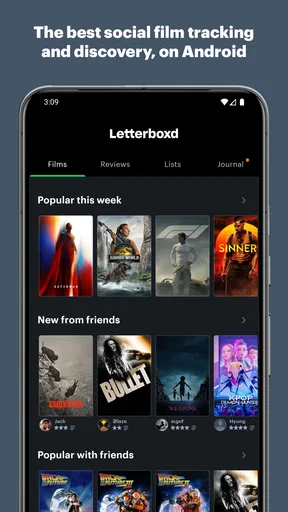
Imagine a platform where you can log every movie you watch, review them, and even create lists of your favorite flicks. That’s Letterboxd in a nutshell. It’s like social media for film lovers. You can follow friends, see what they’re watching, and even engage in discussions about the latest releases or timeless classics. It’s available on both Android and iOS, so no worries about compatibility issues here.
Diving Into the Features
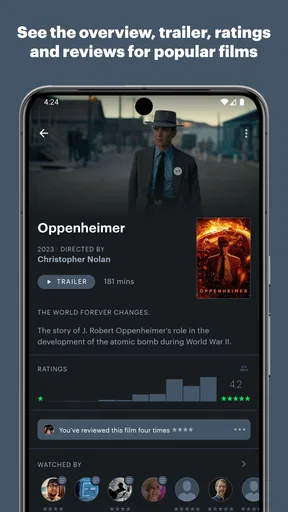
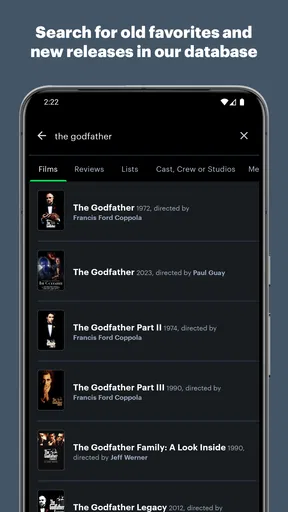
The first thing I noticed when I opened the app was its sleek and intuitive interface. It’s super easy to navigate, which is a big plus for someone who gets overwhelmed by cluttered apps. You can quickly search for any movie, and bam! There it is, with all its details, ratings, and reviews.
- Logging and Reviewing: Once you watch a movie, you can log it, rate it, and even write a review. It’s a fantastic way to keep track of everything you’ve watched. Plus, reading others’ reviews can give you new perspectives on films you thought you knew inside out.
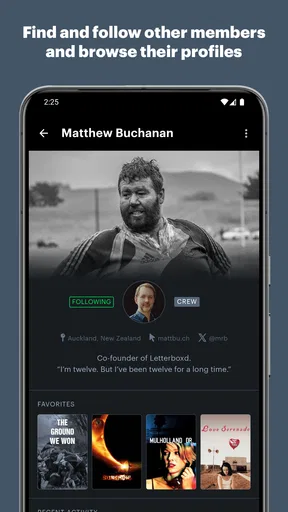
- Social Interaction: The social aspect of Letterboxd is what really sets it apart. You can follow your friends, see what they’re watching, and even comment on their reviews. It’s like having a never-ending movie club right in your pocket.
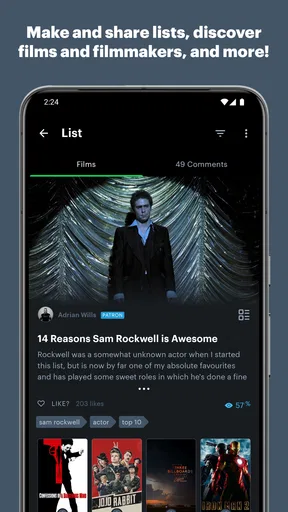
- Lists and Challenges: Feeling like a film marathon? Create lists of movies you want to watch or are currently obsessed with. There are also trending lists and challenges you can participate in, which is a great way to discover new titles.
Why You’ll Love It
One of the things I adore about Letterboxd is its community vibe. You’re not just reading reviews; you’re part of a conversation with other film enthusiasts. It’s a space where you can geek out about movies without judgment. Plus, the app is constantly updating with new features and improvements, so it feels fresh and engaging.
Another highlight is the app’s ability to recommend films based on your viewing history. It’s like having a mini film critic in your pocket, always ready to suggest your next cinematic adventure.
Things to Keep in Mind
While the free version provides plenty of functionality, there’s also a Pro version available. It offers additional features like personalized stats and advanced filtering options. If you’re a data geek or just love having a detailed overview of your viewing habits, it might be worth considering.
However, some users have noted that the app can occasionally be slow to load, especially when browsing extensive lists or profiles. Hopefully, future updates will address this minor hiccup.
Final Thoughts
Overall, I think Letterboxd is a strong choice for anyone who wants to remember what they watched and enjoy a film-centered community. It is less compelling if you prefer a completely private tracker, need streaming availability above all else, or rarely care to explore other people’s opinions. The average rating of about 3.1 suggests experiences are mixed, so I would try the free version and see whether its social diary fits the way you watch.
If you haven’t tried it yet, give it a shot. You might just find your new favorite film buddy. Happy watching!
Pros
- User-friendly interface
- easy to navigate.
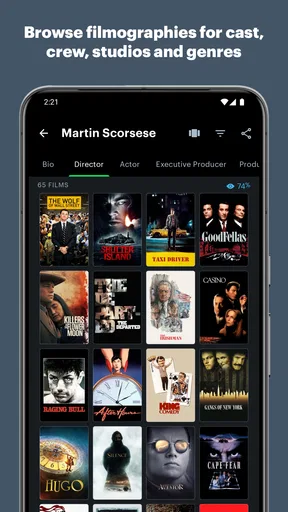
- Extensive movie database with detailed info.
- Personalized movie recommendations.
- Active community with insightful reviews.
- Option to create and share movie lists.
Cons
- Limited features in the free version.
- Some ads can be intrusive for free users.
- Occasional app crashes reported.
- Offline mode not available for all features.
- Needs more TV show integration.
FAQs for Letterboxd
What is Letterboxd, and what features does it offer?
Letterboxd is a social media platform designed for film enthusiasts. It allows users to track films they've watched, rate and review them, and create lists. The app also offers features such as following friends, viewing film statistics, and discovering new movies through curated lists and recommendations.
How does Letterboxd differ from other movie review platforms?
Letterboxd focuses on the social aspect of movie watching. Unlike traditional review sites, it allows users to interact with each other by commenting on reviews, following other users, and sharing personalized lists. This community-driven approach makes it a unique platform for film lovers to connect and discuss films.
Is Letterboxd free to use, and are there any subscription options?
Yes, Letterboxd is free to use. However, they offer a Pro subscription that provides additional features such as personalized year-in-review stats, the ability to filter and sort films, and an ad-free experience. There’s also a Patron tier that offers all Pro features plus early access to new features and a profile badge.
Can I use Letterboxd offline, and how does it sync data?
Letterboxd requires an internet connection to access most of its features, such as browsing, updating lists, and interacting with the community. However, any changes made offline will be synced the next time you connect to the internet. It’s best used online to enjoy all its social features.
Is my data private on Letterboxd, and how can I control my privacy settings?
Letterboxd values user privacy and offers settings to control your visibility on the platform. You can choose to make your profile public or private, allowing only approved followers to view your activity. Additionally, you can manage who sees your lists and reviews, ensuring your data stays as private as you prefer.


